Strategic Context
Empowers non-engineers to speak the technical language of orbit analysts while commanding policy and commerce.
The Problem: Critical Talent Gap
Over 80% of university aerospace programs focus strictly on propulsion, structures, and calculus-heavy engineering, locking out non-STEM leaders.
Operator Shortage
Military and civil space programs lack non-engineering orbit and systems planners.
Regulatory Delays
Launch providers bottleneck on FAA Part 450 licensing, spectrum disputes, and contracts.
Doctrinal Equivalence
Direct crosswalk to National Security Space Institute (NSSI) SP100–300 competencies.
Multi-Domain Agility
Integrates international space law, commercial spaceport strategy, and simulation wargames.
The Solution: Mission-Ready Cadre
A targeted 120-credit curriculum delivering technical literacy without differential equations—bridging operators, acquisition officers, and NewSpace executives.

CONFIDENTIAL — Not to be replicated, distributed, or reproduced without express written permission.
Value Proposition
While engineers build spacecraft, operators, strategists, and acquisition leaders run the space domain. This degree produces day-one operational leaders fluent in missions, markets, and law.
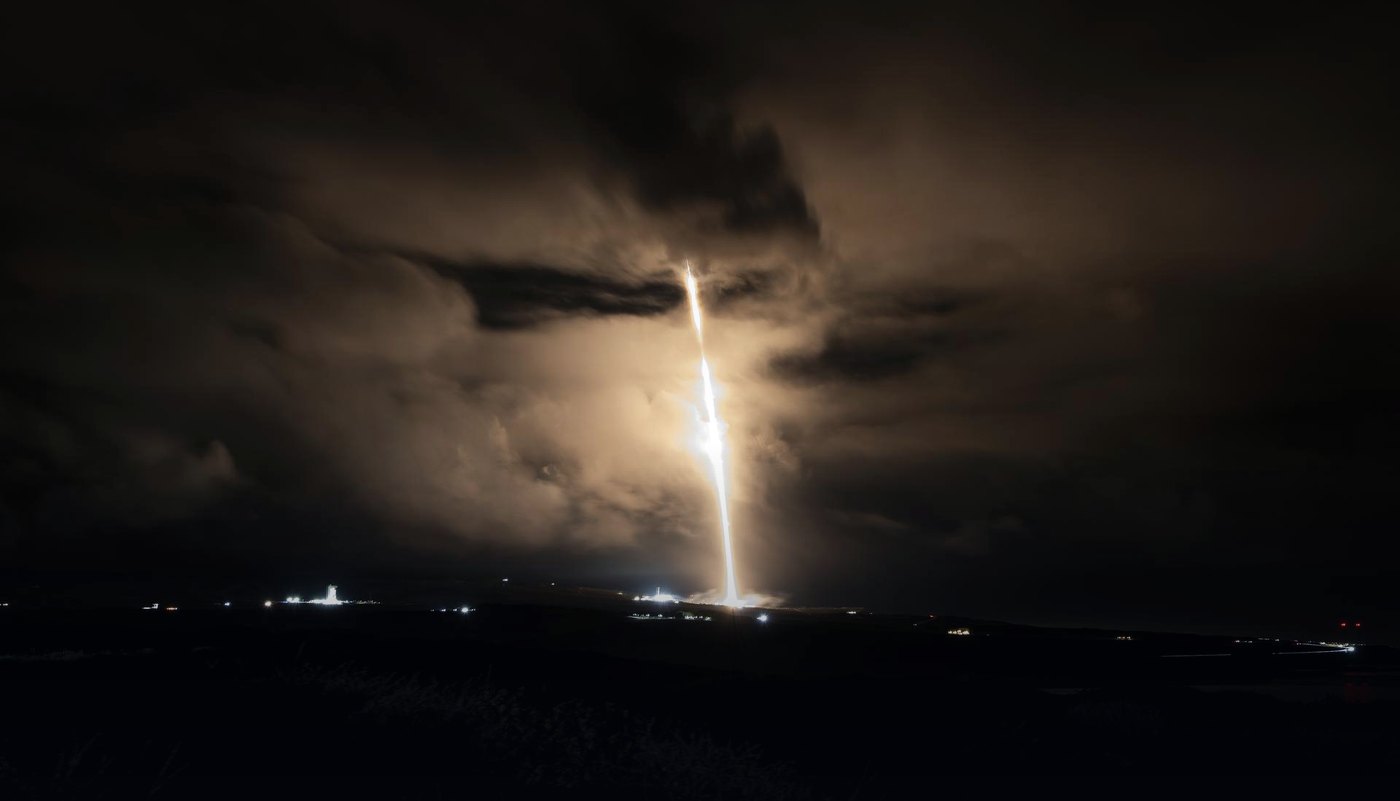
Defense & Space Force
Direct qualification pipeline for USSF civilian and officer cadre, Army FA40, Navy Space cadre, and intelligence billets.
- Space Domain Awareness (SDA)
- Joint Space Planning (JSPC)
- Electronic warfare integration
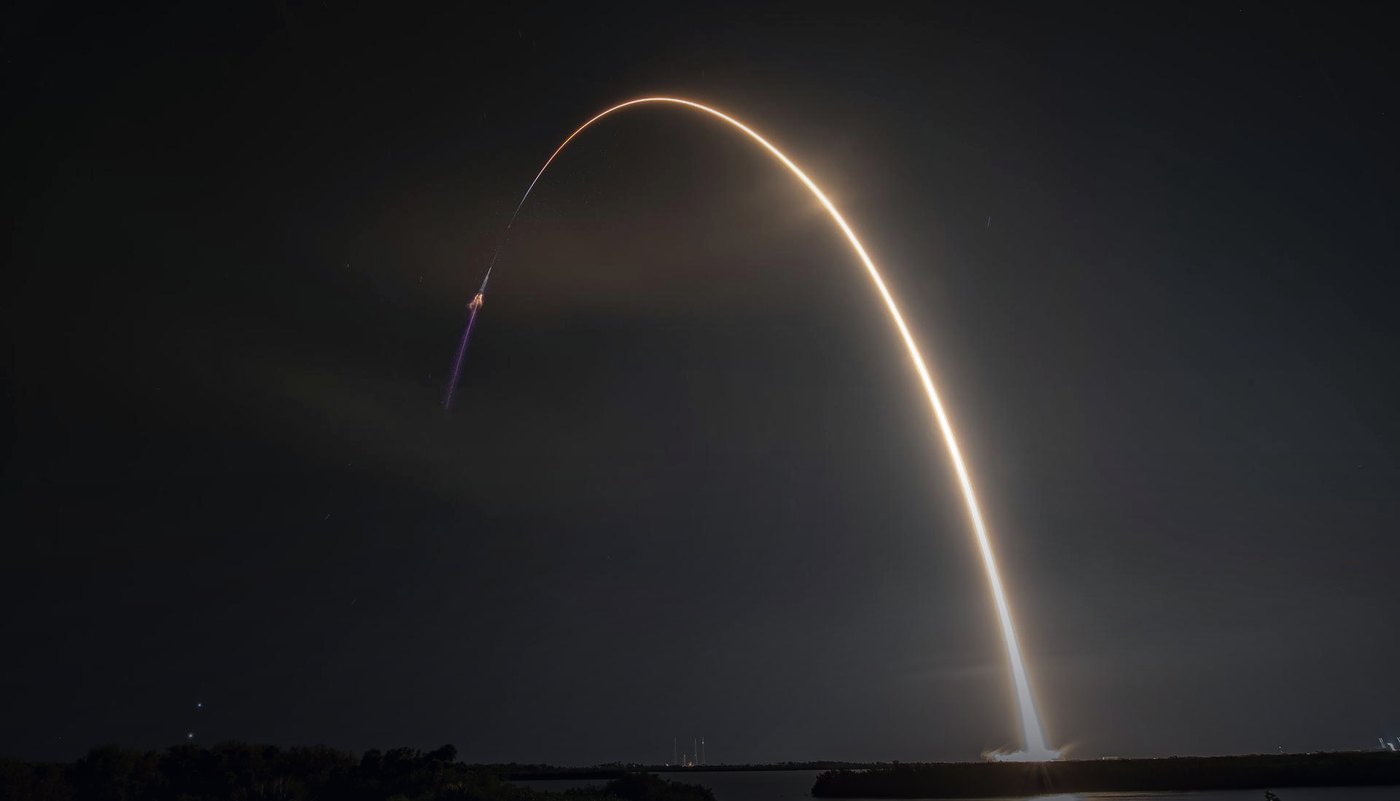
Commercial NewSpace
Supplies commercial operators with experts in launch licensing, venture capital financing, and satellite constellation fleet management.
- FAA Part 450 streamlined licensing
- Spaceport ops & range safety
- NewSpace pricing & business models

Civil & Global Governance
Prepares specialists for NASA, FAA-AST, Dept of Commerce Space Commerce, and international multilateral bodies.
- Outer Space Treaty & Artemis Accords
- ITU spectrum coordination
- Orbital debris policy & norms
CONFIDENTIAL — Not to be replicated, distributed, or reproduced without express written permission.
Curriculum Synthesis
Combines the nation's premier civilian space studies with unclassified Space Force schoolhouse instruction.

Embry-Riddle (ERAU)
Space Operations
Supplies the operational architecture: ground segment ops, launch and range safety protocols, and FAA-AST commercial integration.
Curriculum: SPOP 210, 240, 445
Univ. of North Dakota (UND)
Space Studies Core
Supplies conceptual astrodynamics without calculus (modeled on SPST 500), remote sensing GIS, and habitat life support systems.
Curriculum: SPOP 101, 201, 250
George Washington (GWU)
Space Policy Institute
Supplies national space policy frameworks, international space law, federal defense contracting (FAR/DFARS), and ITAR/EAR export controls.
Curriculum: SPOP 320, 340, 360
NPS & NSSI Pipeline
Space Warfare & Doctrine
Supplies joint space operational art, orbital warfare (OW100/200), SATCOM link operations, space intelligence, and multi-domain wargames.
Curriculum: SPOP 110, 215, 301, 401
CONFIDENTIAL — Not to be replicated, distributed, or reproduced without express written permission.
Military Equivalence
Modeled after the Webster University ACE transfer framework for military space badge qualification prerequisites.
NSSI Progression & Credit Crosswalk
Space 100 Equivalent
Establishes core domain literacy, space history, and intro to joint doctrine.
- NSSI Intro to Space (ITS)
- Intro to Joint Space (ITJS)
- Non-Calc Physics
SP100/200 Bridge
Deconstructs spacecraft subsystems, orbital regimes, and link architectures.
- Orbital Warfare 100 (OW100)
- Advanced Mil SATCOM (AMSC)
- Cyber Space Warfare (CyOSW)
Space 200 Equivalent
Focuses on operational art, threat counteraction, and joint space mission design.
- NSSI Space 200 (SP200U)
- Joint Space Planners (JSPC)
- Space Threats & Hazards (STHC)
Space 300 & Capstone
Synthesizes national space strategy, coalition ops, and high-level crisis wargaming.
- NSSI Space 300 (SP300)
- Coalition Space Course (CSpC)
- Space Executive Course (SEC)
CONFIDENTIAL — Not to be replicated, distributed, or reproduced without express written permission.
Core Curriculum
Total 60 Credits completed across Lower Division with unclassified flight simulation software labs.
Foundations of the Space Domain
Year 1 — 30 Credits
Establishes physics intuition, historical precedents, and data visualization.
Intro to Space Domain
UND SPST 200 / NSSI ITS
Conceptual Space Physics
Non-Calc Regimes
Foundations of Joint Space
NSSI Space 100
Scripting for Analysts
Python / Orbital Data
Spacecraft Systems & Infrastructure
Year 2 — 30 Credits
Comprehends satellite subsystems, ground stations, and orbital maneuvers conceptually.
Conceptual Orbital Mechanics
UND SPST 500 Model
Orbital Warfare & SDA
NSSI OW100 / ASDAC
SATCOM & Link Operations
NSSI AMSC / NPS
Launch & Spaceport Ops
ERAU Space Ops Core
CONFIDENTIAL — Not to be replicated, distributed, or reproduced without express written permission.
Advanced Curriculum
Total 120 Semester Hours awarded for the B.S. in Space Operations & Strategic Studies.
Operational Art, Law & Commercial Strategy
Year 3 — 30 Credits
Navigates multi-billion dollar programs, defense contracting, and commercial licensing.
Spacepower Application
NSSI Space 200
International Space Law
GWU / Treaties / ITU
Federal Acquisitions & DAU
FAR / DFARS Space
Commercial Launch Regs
FAA Part 450 / Safety
Strategic Deterrence & Capstone Campaign
Year 4 — 30 Credits
Executive strategy, Space-SOF-Cyber convergence, and direct client project delivery.
National Space Strategy
NSSI Space 300
Foreign Space Programs
PRC & Russian Doctrine
Operations Wargaming
Red-Team Contested Sim
Senior Capstone (6-Cr)
Industry / USSF Sponsor
CONFIDENTIAL — Not to be replicated, distributed, or reproduced without express written permission.
Law & Governance
Taught in SPOP 340: Gives non-lawyer operators full legal literacy to advise flight directors and commanders.
The International Space Law Pillar
UN Space Treaties
Foundational masterclass in multilateral treaty frameworks:
Outer Space Treaty (1967)
Article II non-appropriation & Article VI commercial oversight.
Liability Convention (1972)
Strict liability for collisions and surface re-entry damage.
Registration Convention
Orbital asset attribution and notification.
ITU & Spectrum Rights
Managing the contested radio-frequency and orbital slot domain:
Spectrum Allocation
Filing timelines, priority rights, and anti-warehousing rules.
Interference Mitigation
Resolving RF interference and electronic countermeasures disputes.
GEO Slot Governance
Sovereign orbital slot rights and geostationary arc access.
Modern Norms & Artemis
Developing legal mechanisms for 21st-century exploration and security:
Artemis Accords (2020)
Safety zones, interoperability, and lunar resource extraction.
Orbital Debris Rules
5-year post-mission disposal mandates (FCC & UN COPUOS).
Rules of Engagement
Legal thresholds for defensive counterspace actions.
CONFIDENTIAL — Not to be replicated, distributed, or reproduced without express written permission.
Commercial Operations
Taught in SPOP 365 & SPOP 375 in collaboration with commercial launch providers and the FAA-AST.
Commercial Space Strategy & FAA Licensing
FAA Part 450 Licensing
Mastering modern consolidated launch and reentry approval requirements:
Performance-Based
Moving from prescriptive legacy rules to flexible safety cases.
Public Risk (Ec)
Calculating Expected Casualty thresholds without complex calculus.
Airspace Integration
Time-to-reopen airspace protocols and hazard areas.
NewSpace Economics
Financial dynamics driving commercial space investment:
Constellation CapEx
Economics of mass production (Starlink vs. Kuiper).
Venture & Valuation
Seed to pre-IPO funding stages for space startups.
Launch Cost Curves
Price-per-kg to LEO shifts and downstream services monetization.
Dual-Use & Export Controls
Navigating international trade controls and supply chains:
ITAR vs. EAR
Classification of commercial optics, star trackers, and bus avionics.
Spaceport Ops
Part 420 licensing for orbital and suborbital commercial ranges.
Allied Tech Transfer
Defense cooperation under AUKUS and NATO frameworks.
CONFIDENTIAL — Not to be replicated, distributed, or reproduced without express written permission.
Experiential Integration
Bridges classroom theory with actual operational centers at Colorado Springs, Cape Canaveral, and Houston.
Industry-Government-Warfighter (IGW) Interaction
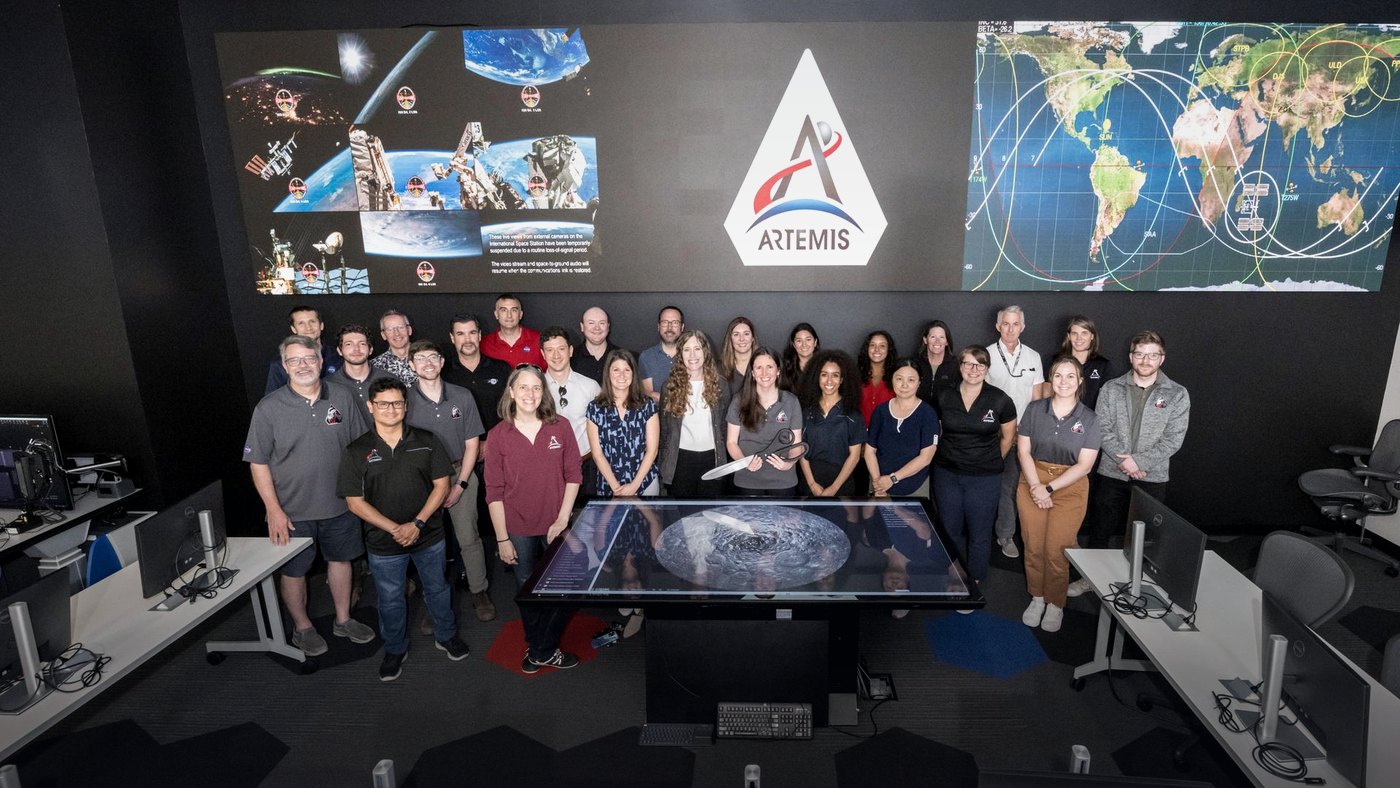
Executive-In-Residence
Modeled on ERAU O'Maley College of Business. Two resident experts per term:
3-Day Intensives
Commercial CXOs & retired USSF Commanders teach alongside faculty.
Pitch Scrubbing
Students pitch launch concepts to seasoned corporate venture leads.
Direct Mentorship
1-on-1 career path guidance into civil, defense, or commercial sectors.

Bi-Annual Space Wargame
Contested domain simulation run jointly with NSSI and industry primes:
Multi-Cell Layout
Red (Adversary), Blue (Allied/USSF), White (Commercial/Regulator).
Realistic Friction
GPS spoofing, ASAT debris clouds, and ITU spectrum jamming.
STARCOM Evaluators
Active military observers judge student decision-making speed.
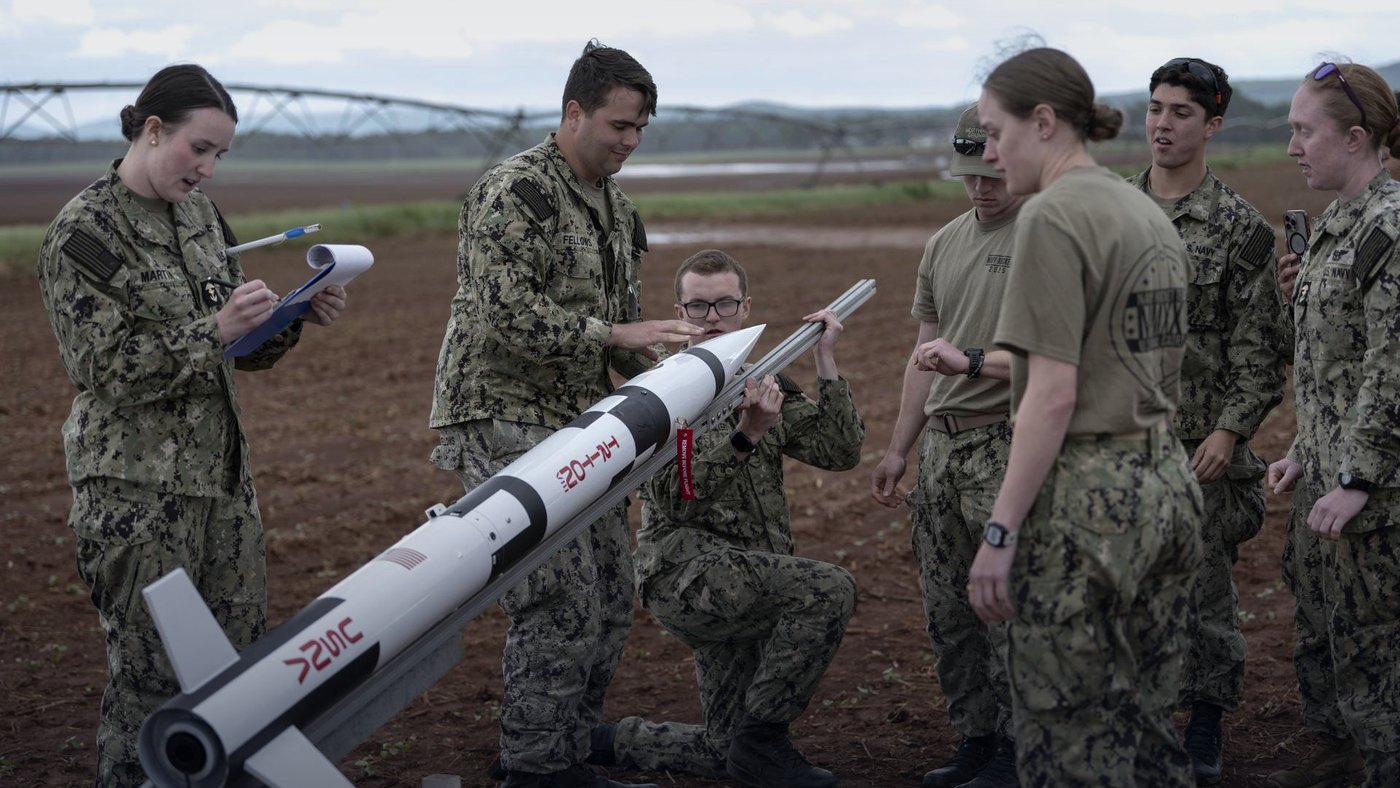
Senior Client Capstone
6-credit consultancy course solving unclassified challenges for external sponsors:
Real Sponsor Problems
FAA Part 450 ocean licensing or commercial SDA integration.
Deliverable-Driven
Students produce formal CONOPs, staff briefs, and financial models.
Recruitment Pipeline
Direct pathway to post-graduation hiring and security clearance prep.
CONFIDENTIAL — Not to be replicated, distributed, or reproduced without express written permission.
Technical Infrastructure
100% Unclassified environment enabling participation by commercial students, international partners, and cadets.
Experiential Simulation & Operations Labs
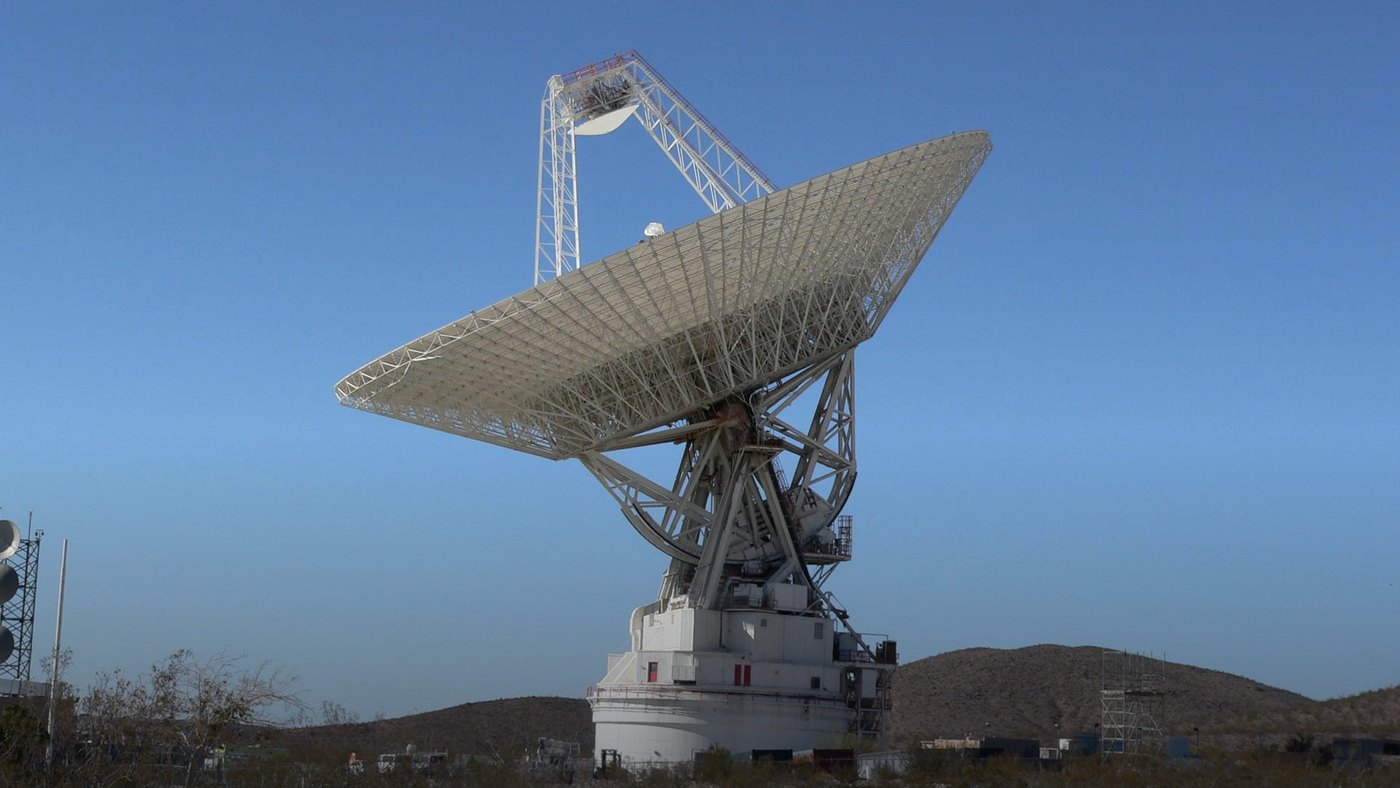
Mission Operations & SDA Lab
Simulation testbeds providing visual orbital insight without manual differential equations:
Ansys STK & GMAT
3D trajectory tracking, access pass calculation, and sensor cone mapping.
Open-Source SDA Feeds
Live telemetry monitoring from Space-Track and commercial radars.
Ground Station Emulation
Satellite pass scheduling and link margin budgeting.
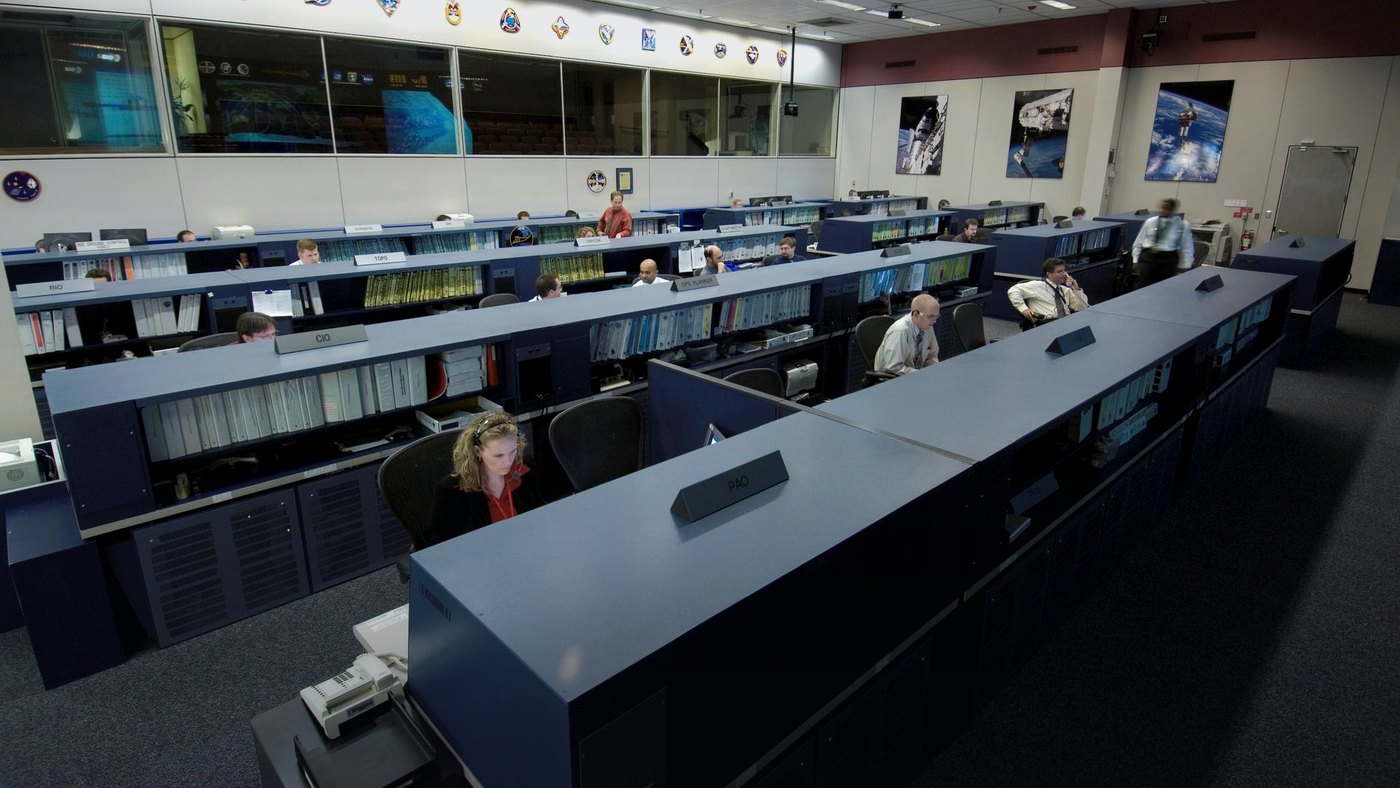
Joint Space Wargaming Cell
Tactical Operations Center (TOC) layout mimicking modern defense watch floors:
Common Operating Picture (COP)
Real-time orbital visualization across all domains.
EW & Jamming Simulators
Simulating uplink/downlink degradation during crisis events.
Mission-Type Orders (MTO)
NSSI doctrine on autonomous ops during communications blackout.
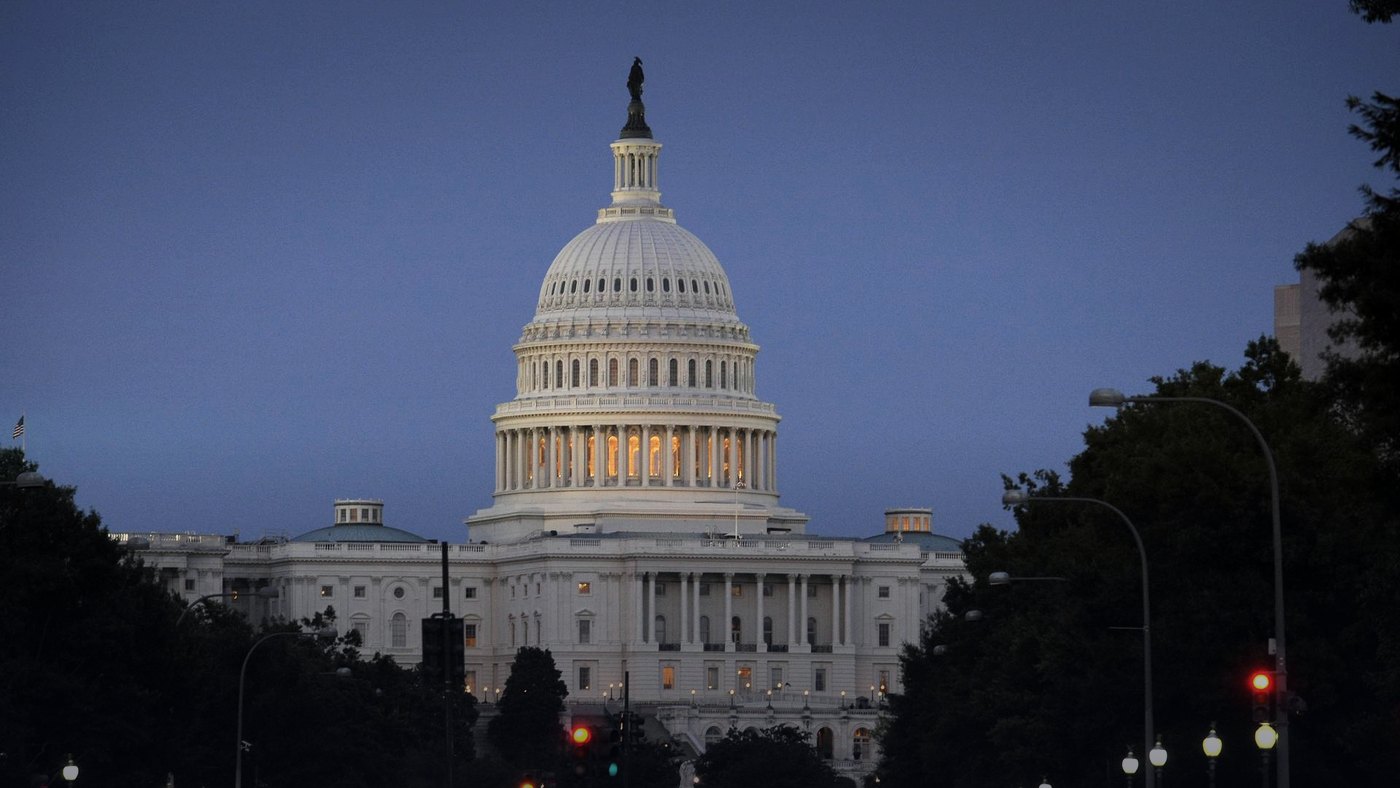
Policy & Regulatory Sim Cell
Executive tabletop simulation for interagency and commercial crises:
National Security Council (NSC)
Tabletop drills on ASAT deterrence and treaty violations.
FAA Mishap Inquiries
Rapid response drills following commercial launch vehicle anomalies.
ITU Bilateral Arbitration
Resolving high-stakes spectrum coordination disputes.
CONFIDENTIAL — Not to be replicated, distributed, or reproduced without express written permission.
Outcomes & Next Steps
Ready for Review: Complete syllabus packages and capstone scenario templates available for committee review.
100% of graduates hold actionable mission planning & acquisition competencies.
Full degree program deployment within a 12-month academic adoption cycle.
Target Career Vectors
DoD & Space Force Cadre
USSF Civilian Analysts, Army Space FA40, Navy Space Cadre, NRO & NGA Mission Planners.
Civil & Regulatory Agencies
NASA Flight Ops Officers, FAA-AST Licensing Evaluators, Office of Space Commerce Analysts.
Commercial NewSpace Industry
SpaceX / Blue Origin Flight Directors, Satellite Constellation Managers, Aerospace Contract Officers.
4-Phase Implementation Schedule
Phase 1: NSSI & ACE Crosswalk
Finalize syllabi transfer agreements with NSSI registrar and ACE recommendations.
Phase 2: Lab & Software Licensing
Secure academic seats for Ansys STK, GMAT, and commercial SDA data feeds.
Phase 3: Advisory Board & EIR
Establish industry advisory council with primes and confirm first resident executives.
Phase 4: Inaugural Cohort Matriculation
Accreditation sign-off and matriculation of the inaugural undergraduate class.
CONFIDENTIAL — Not to be replicated, distributed, or reproduced without express written permission.